Feeding & Nutrition for Senior Dogs
Optimize your senior dog's diet for better health.
Part of the Senior Dog Food guide series.
Feeding & Nutrition is crucial for senior dogs, as their dietary needs change with age. This page is designed for senior dog owners seeking to understand how to choose the best food and nutrition options for their aging pets. Key factors include understanding ingredient quality, nutritional balance, and specific dietary requirements that cater to health concerns prevalent in older dogs.
Key highlights
- Understand senior dog dietary needs
- Evaluate ingredient quality
- Balance nutrition for health issues
How to choose (and common mistakes)
How to choose for Feeding & Nutrition: match your situation, confirm compatibility, then follow a simple checklist to avoid common mistakes.
When selecting food for senior dogs, consider the following criteria: 1) Nutritional Balance: Look for food that meets AAFCO standards specifically for senior dogs, ensuring it contains the right balance of protein, fat, and fiber. 2) Ingredient Quality: Opt for brands that list real meat as the first ingredient, avoiding fillers that can lead to poor digestion. 3) Special Dietary Needs: Take into account any health issues such as arthritis or diabetes, which may require special formulations. A common mistake is choosing food based solely on price, neglecting the nutritional content that directly affects your dog's health.
⚡ Quick Picks
Three strong options to start with. Pick one that matches your goal, then jump to the guides below.

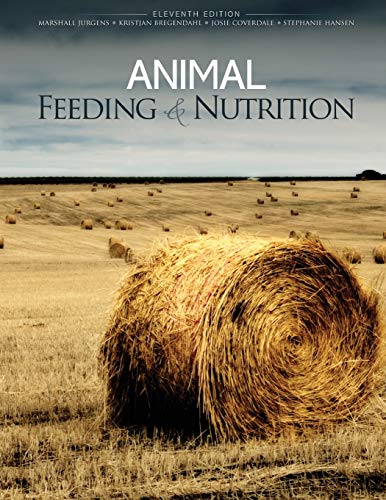
Animal Feeding and Nutrition

Wildlife Feeding and Nutrition (Animal Feeding and Nutrition)

Basic Animal Nutrition and Feeding
We hand-pick these based on real testing and reviews
Related Topics

Brand Reviews
Buying Guides
Comparisons

Health Needs
Latest Feeding & Nutrition Guides
No posts found.
How We Choose & Recommend
Short, practical guidance first—then product picks when you are ready.
- We compare features and real-world use cases for Feeding & Nutrition.
- We scan user feedback for patterns (not one-off opinions).
- We call out trade-offs so you can pick confidently.
FAQ: Feeding & Nutrition
What should I look for in senior dog food?
Look for senior dog food that contains high-quality protein sources, essential fatty acids, and added vitamins and minerals tailored for older dogs. Ingredients like chicken, fish, or lamb should be prominent, and avoid fillers like corn or soy. A good choice would be a brand that includes glucosamine for joint health and omega fatty acids for skin and coat. Always check the label for AAFCO certification to ensure nutritional adequacy.
How often should I feed my senior dog?
Feeding frequency for senior dogs can vary based on their health and activity level. Generally, splitting their daily food intake into two or three smaller meals can help manage their energy levels and prevent digestive issues. For instance, if your dog requires 2 cups of food daily, consider giving them 1 cup in the morning and 1 cup in the evening. Always consult your veterinarian for personalized feeding advice.
Can I mix wet and dry food for my senior dog?
Yes, mixing wet and dry food can be beneficial for senior dogs. Wet food can enhance hydration and make meals more palatable, especially if your dog has dental issues or decreased appetite. For example, mixing a high-quality kibble with a tasty canned food can encourage eating and provide a balanced diet. Just ensure that the combined meals meet their nutritional needs.
What are the signs my senior dog needs a dietary change?
Signs that your senior dog may need a dietary change include sudden weight loss or gain, lethargy, changes in stool quality, or increased thirst. If your dog is experiencing joint stiffness or has been diagnosed with health conditions like diabetes, it may be time to consult your veterinarian about switching to a specialized diet. Regular check-ups can help catch these changes early.
Is homemade food a good option for senior dogs?
Homemade food can be a good option for senior dogs if it is well-balanced and meets their nutritional requirements. However, it is essential to work with a veterinarian or a pet nutritionist to ensure that the diet includes adequate protein, fats, vitamins, and minerals. For example, incorporating cooked chicken, sweet potatoes, and green beans can create a nutritious meal, but always verify proportions and ingredients to avoid deficiencies.
🐾 Our Top 3 Best Home Office Setup
Animal Feeding and Nutrition
Wildlife Feeding and Nutrition (Animal Feeding and Nutrition)
Basic Animal Nutrition and Feeding
We hand-pick these based on real testing and reviews