Senior Dog Food Buying Guides
Make informed choices for your senior dog's nutrition.
Part of the Senior Dog Food guide series.
Buying Guides help senior dog owners navigate the variety of food options available for their aging pets. With unique dietary needs, senior dogs require specific nutrients to maintain health and vitality. This page focuses on critical selection factors such as ingredient quality, nutritional balance, and special dietary requirements, ensuring you find the best fit for your furry companion.
Key highlights
- Understand senior dog dietary needs
- Compare food options effectively
- Identify key nutritional factors
- Avoid common selection mistakes
- Make informed buying decisions
How to choose (and common mistakes)
How to choose for Buying Guides: match your situation, confirm compatibility, then follow a simple checklist to avoid common mistakes.
When selecting senior dog food, consider ingredient quality, nutritional balance, and specific health needs. Ingredient quality matters for digestibility; look for real meat sources and avoid fillers. Nutritional balance is crucial for maintaining energy and health; ensure the food has the right mix of proteins, fats, and fibers. Additionally, consider any special dietary requirements your dog may have, such as grain-free or low-fat options. A common mistake is overlooking your dog's specific health conditions, which can lead to mismatched food choices that do not support their well-being.
⚡ Quick Picks
Three strong options to start with. Pick one that matches your goal, then jump to the guides below.

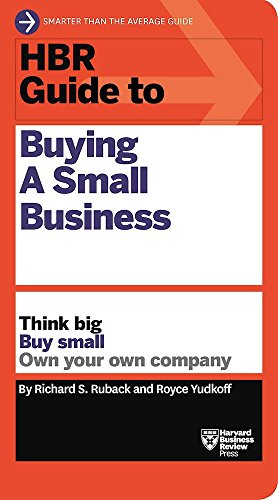
HBR Guide to Buying a Small Business: Think Big, Buy Small, Own Your Own Company (HBR Guide Series)

Home Buying Guide

Nolo's Essential Guide to Buying Your First Home
We hand-pick these based on real testing and reviews
Related Topics

Brand Reviews
Comparisons
Feeding & Nutrition

Health Needs
Latest Buying Guides Guides
No posts found.
How We Choose & Recommend
Short, practical guidance first—then product picks when you are ready.
- We compare features and real-world use cases for Buying Guides.
- We scan user feedback for patterns (not one-off opinions).
- We call out trade-offs so you can pick confidently.
FAQ: Buying Guides
What should I look for in senior dog food?
Look for high-quality protein sources, appropriate fat levels, and added vitamins and minerals tailored for senior health. For example, foods enriched with omega-3 fatty acids can support joint health, while antioxidants can help with overall immune function. Always check for recognizable ingredients and avoid fillers like corn and soy, which may not provide nutritional value. Make sure to consult your veterinarian for personalized recommendations.
How do I know if my dog needs a special diet?
If your senior dog shows signs of weight changes, lethargy, or digestive issues, they may need a special diet. For instance, dogs with kidney problems may benefit from lower protein diets, while those with allergies might require grain-free options. Observing your dog's behavior and consulting with a vet can help determine if a special diet is necessary for their health.
Are there specific ingredients to avoid in senior dog food?
Yes, avoid foods with artificial preservatives, colors, and low-quality fillers like corn and wheat. These ingredients can lead to digestive issues and may not provide the necessary nutrients for your senior dog. Instead, opt for foods with whole meats, vegetables, and natural preservatives like tocopherols. Always read labels carefully to ensure you’re providing the best nutrition.
Is grain-free food better for senior dogs?
Grain-free food can be beneficial for dogs with specific sensitivities or allergies to grains. However, not all senior dogs require a grain-free diet. It's essential to assess your dog's individual health needs and consult with a veterinarian before making this decision. Some senior dogs may thrive on diets that include whole grains like brown rice or oats, which can provide additional fiber.
How often should I feed my senior dog?
Feeding frequency can depend on your senior dog's health, size, and activity level. Generally, it's recommended to feed senior dogs two smaller meals a day rather than one large meal to aid digestion. For example, if your dog is less active, they may require less food, while more active dogs might need slightly larger portions. Always adjust feeding based on your dog's specific needs and consult your vet for personalized advice.
🐾 Our Top 3 Best Home Office Setup
HBR Guide to Buying a Small Business: Think Big, Buy Small, Own Your Own Company (HBR Guide Series)
Home Buying Guide
Nolo's Essential Guide to Buying Your First Home
We hand-pick these based on real testing and reviews